

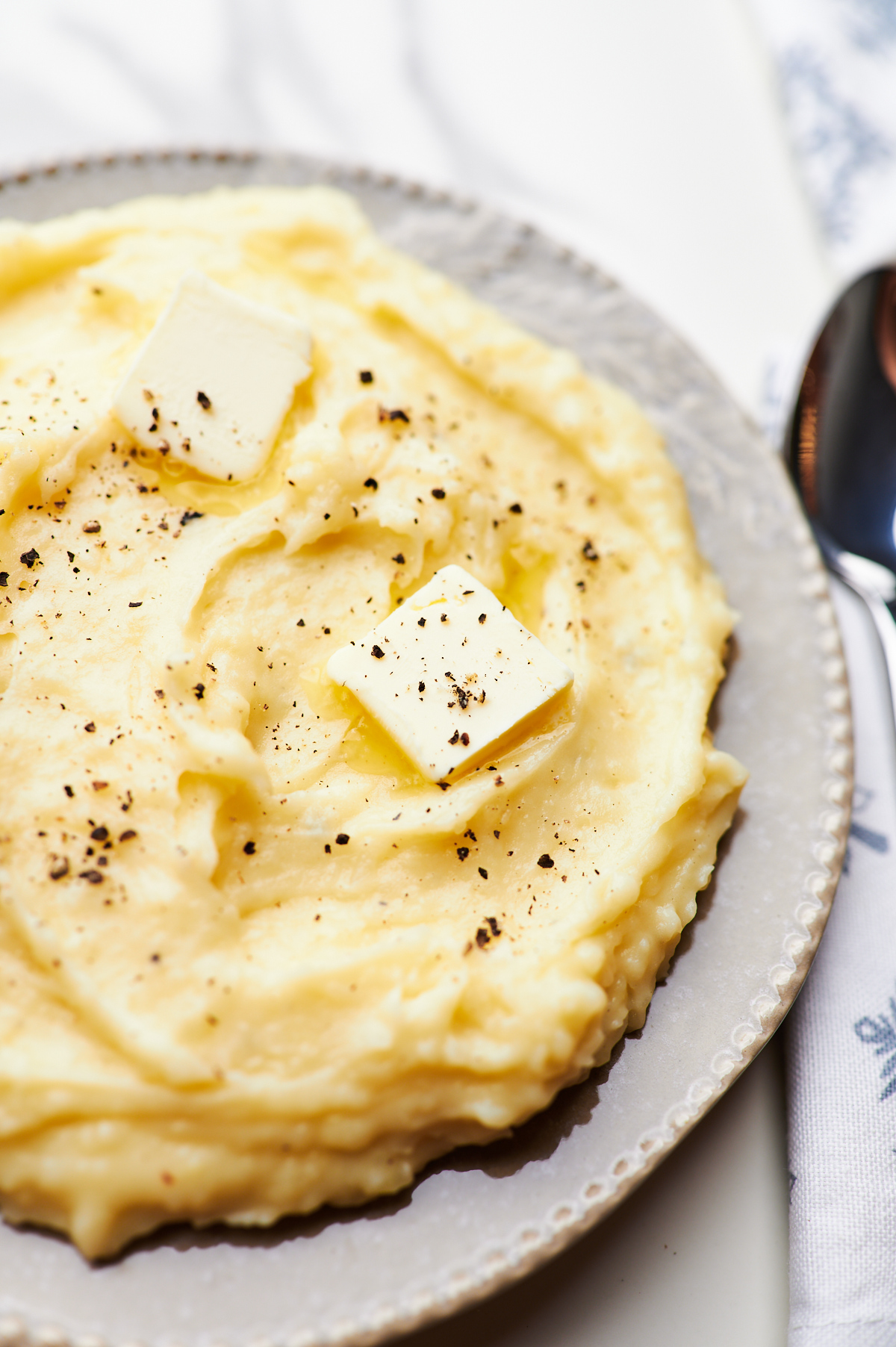
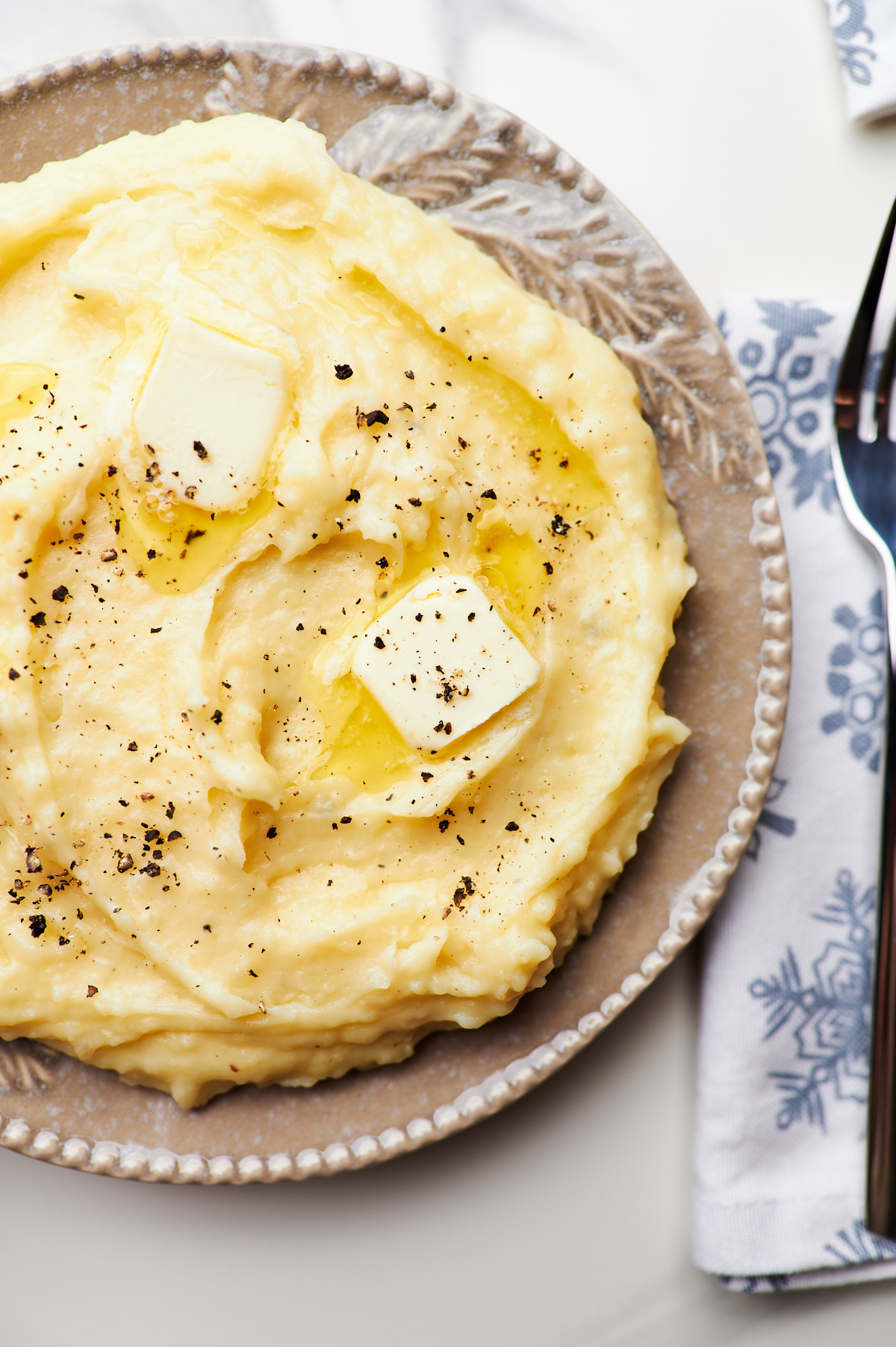
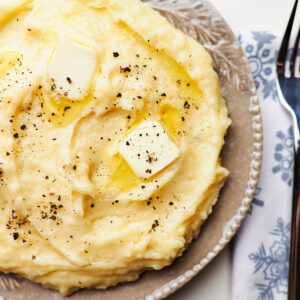
This mashed potato recipe makes the best mashed potatoes; they are very creamy and buttery, simple to prepare, and a great complement to any meal.
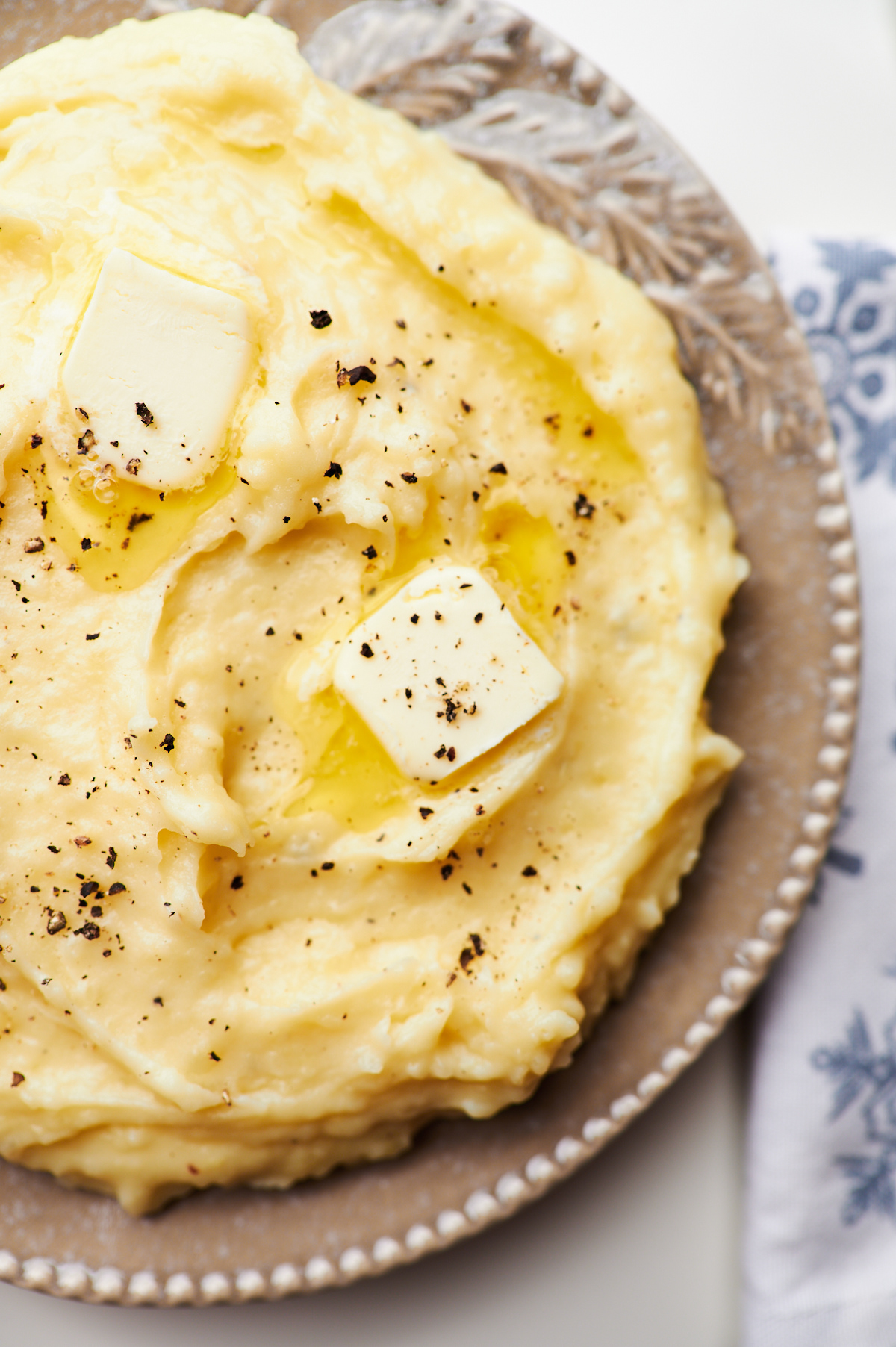
Creamy, Buttery, Ready in 30 Minutes

These mashed potatoes are a true comfort dish.
I use 200 g of warm whole milk, 150 g of cold butter, and 1 kilogram of floury potatoes. For a subtle herbal scent, I add two bay leaves to the cooking water. I run the heated potatoes through a ricer, mix in the chilled butter, then gradually add warm milk. It takes thirty minutes to complete the recipe.
Serve it as a side dish with whatever you have on the table any night of the week.
Cheers,
Why This Recipe Works
- Properly cooked spuds: Avoiding overcooking is essential because it produces too much free starch, which causes the mash to gelatinize and become gluey.
- Cold butter, warm milk: Warm milk keeps the mash hot and smooth, and cold butter emulsifies better than melted butter when stirred into hot riced potatoes.
Mashed Potatoes Ingredients
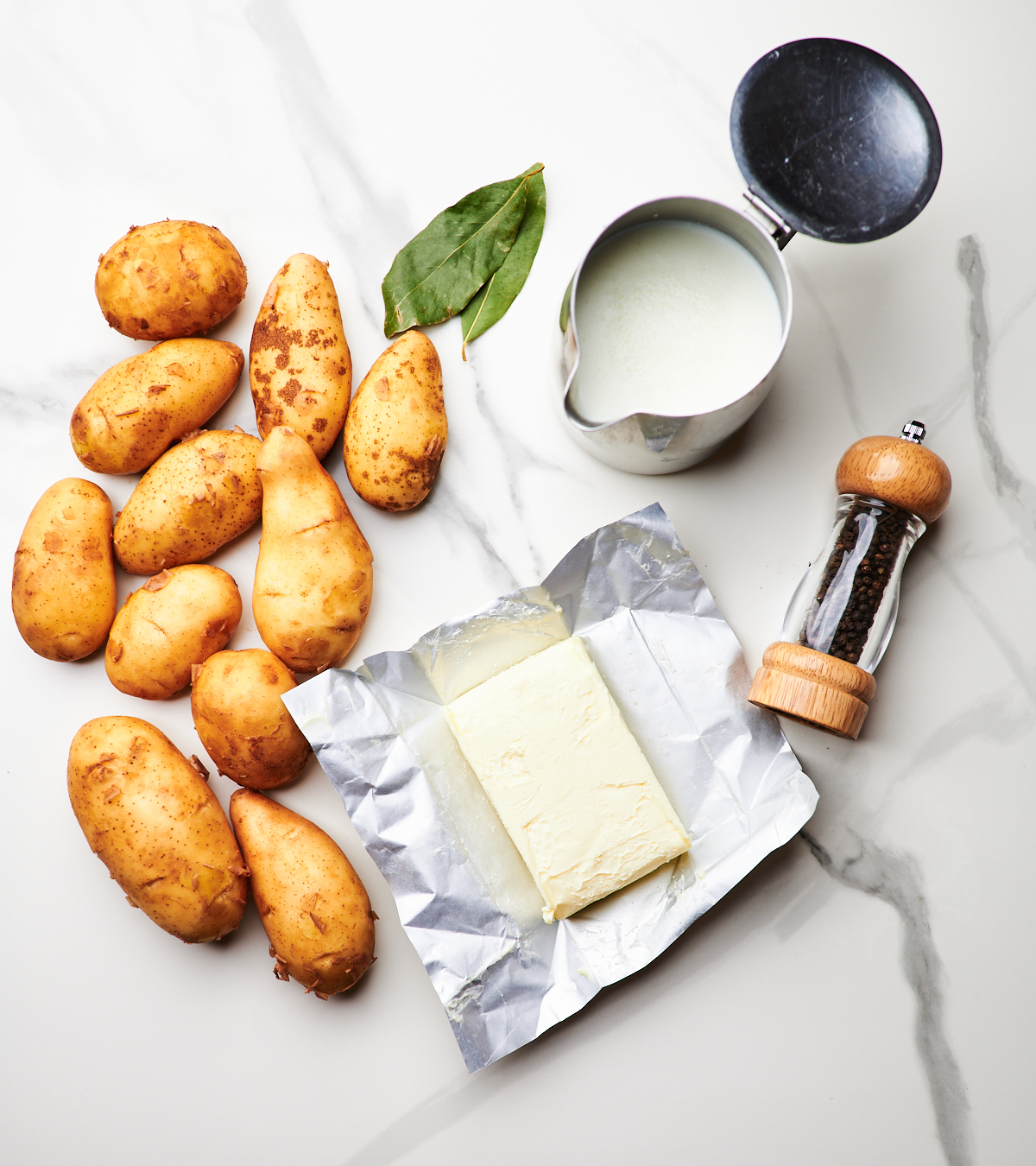
- Floury potatoes: Because of their high natural starch content, russet potatoes produce fluffy mashed potatoes.
- Bay leaves: give the potatoes a subtle depth of aroma while they cook.
- Coarse salt: used to add salt to the boiling water so that the potatoes would absorb it and become more tasty.
- Butter: Butter offers a creamy and, well, buttery texture, so this isn't one of those situations where you can cut corners.
- Whole milk: The creamiest results come from using whole milk, which smoothes the starchy potatoes into an exceptionally creamy mash.
- Fine salt: Salt needs to work harder in starchy, fatty dishes to register on the palate-taste and adjust throughout the process.
- White pepper: to make all the flavors pop.
- Freshly grated nutmeg: enhances the mash with a warm, fragrant aftertaste.
How to Make Mashed Potatoes
- Wash and peel. Wash and peel the potatoes, then cut them into chunks of about 5 cm (2 inches).
- Boil with bay leaves. Put the potatoes and the bay leaves in a large pot and cover them generously with cold water salted with coarse salt.
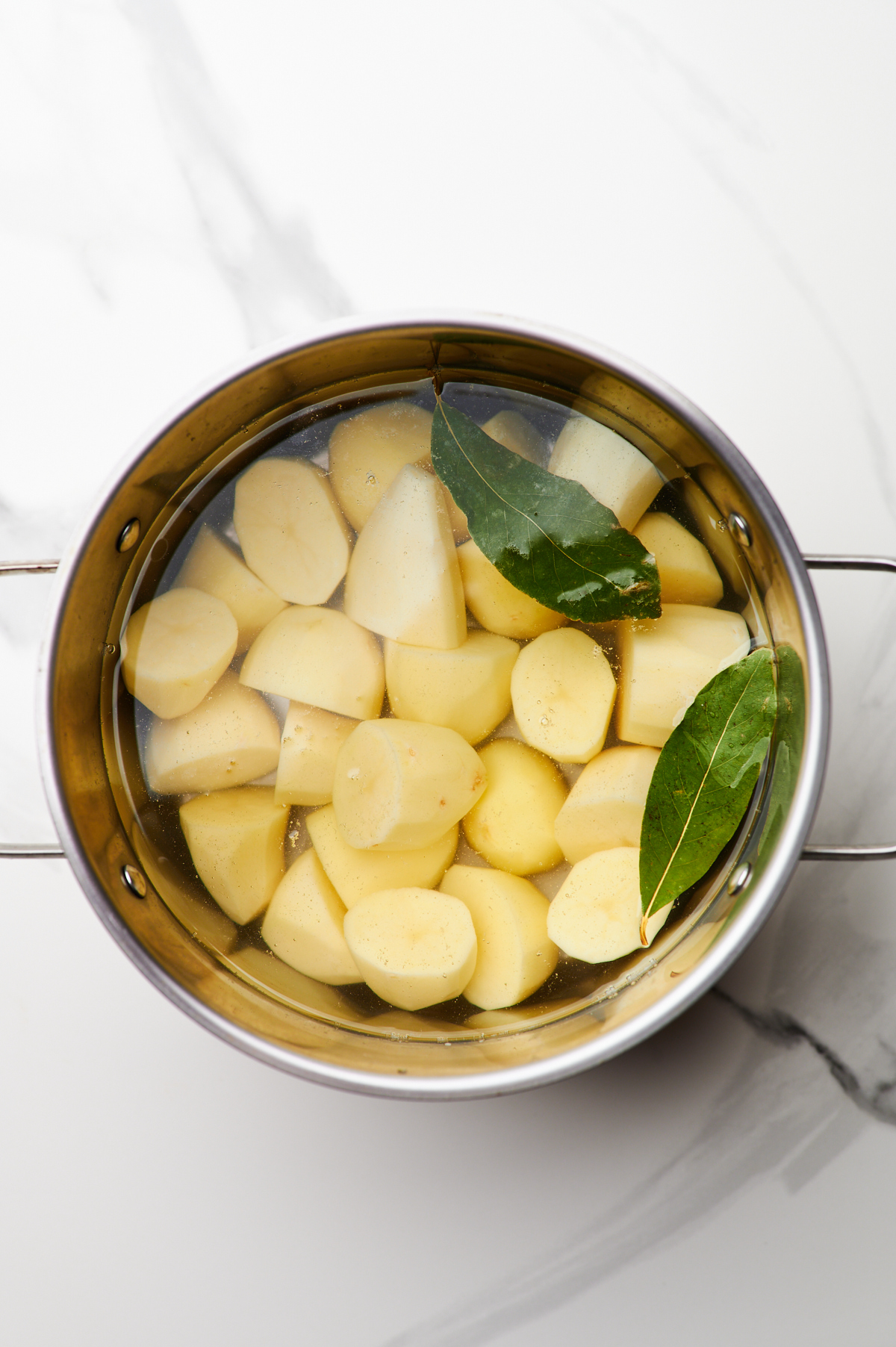
- Simmer until cooked. Bring to a gentle boil and let the potatoes simmer until they are completely cooked through.
- Cube the butter. Cut the butter into 1 cm (½-inch) cubes.
- Keep butter cold. Keep the butter cubes in the fridge until you need them.
- Warm the milk. Warm the milk, but don't let it boil.
- Drain. Drain the potatoes and take out the bay leaves.
- Rice the potatoes. Press the hot potatoes through a potato ricer back into the pot.
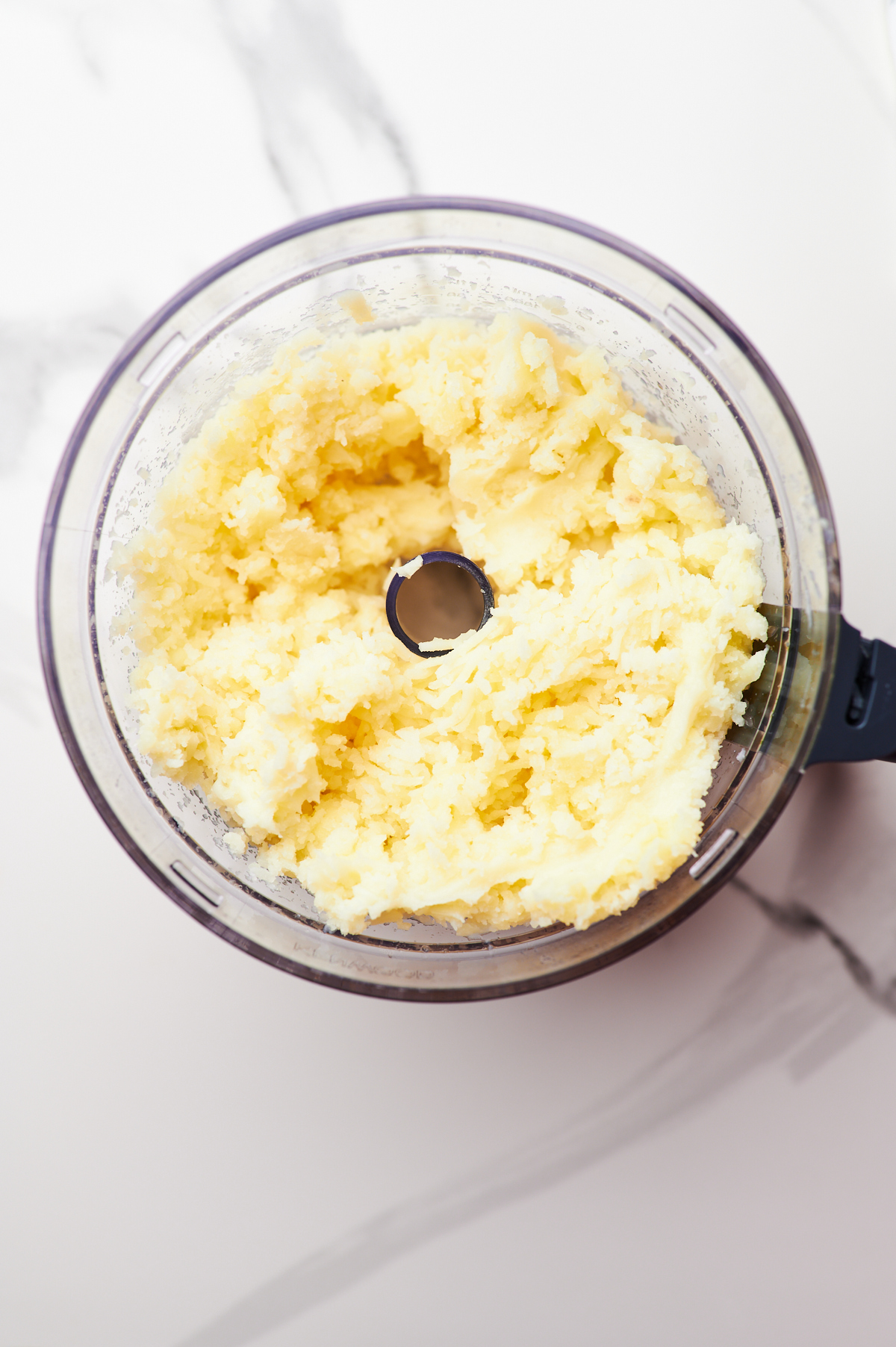
- Add cold butter. Set the pot over low heat and add the cold butter, stirring vigorously.
- Add warm milk. Pour in the warm milk a little at a time until the mash reaches the consistency you like.
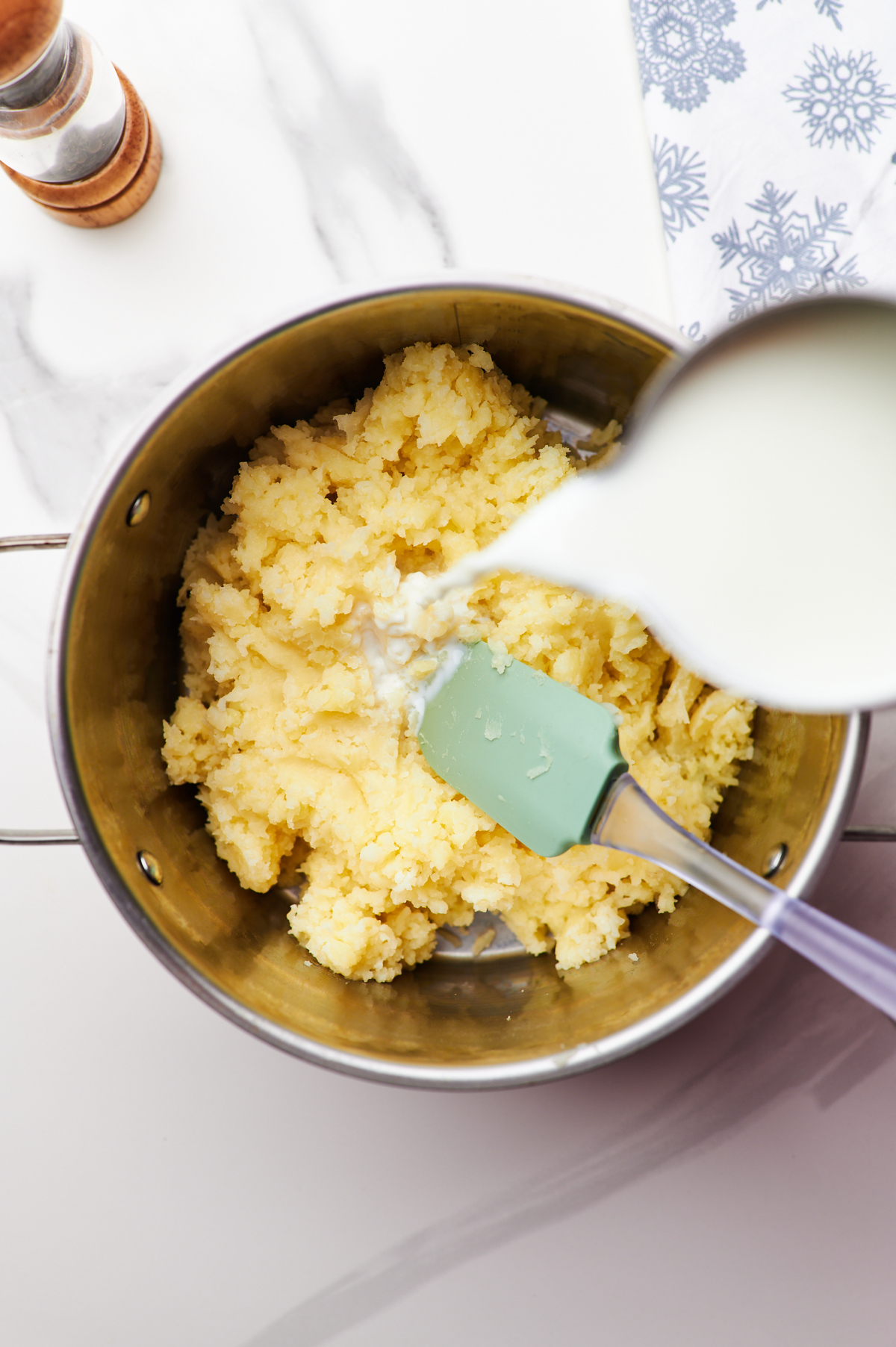
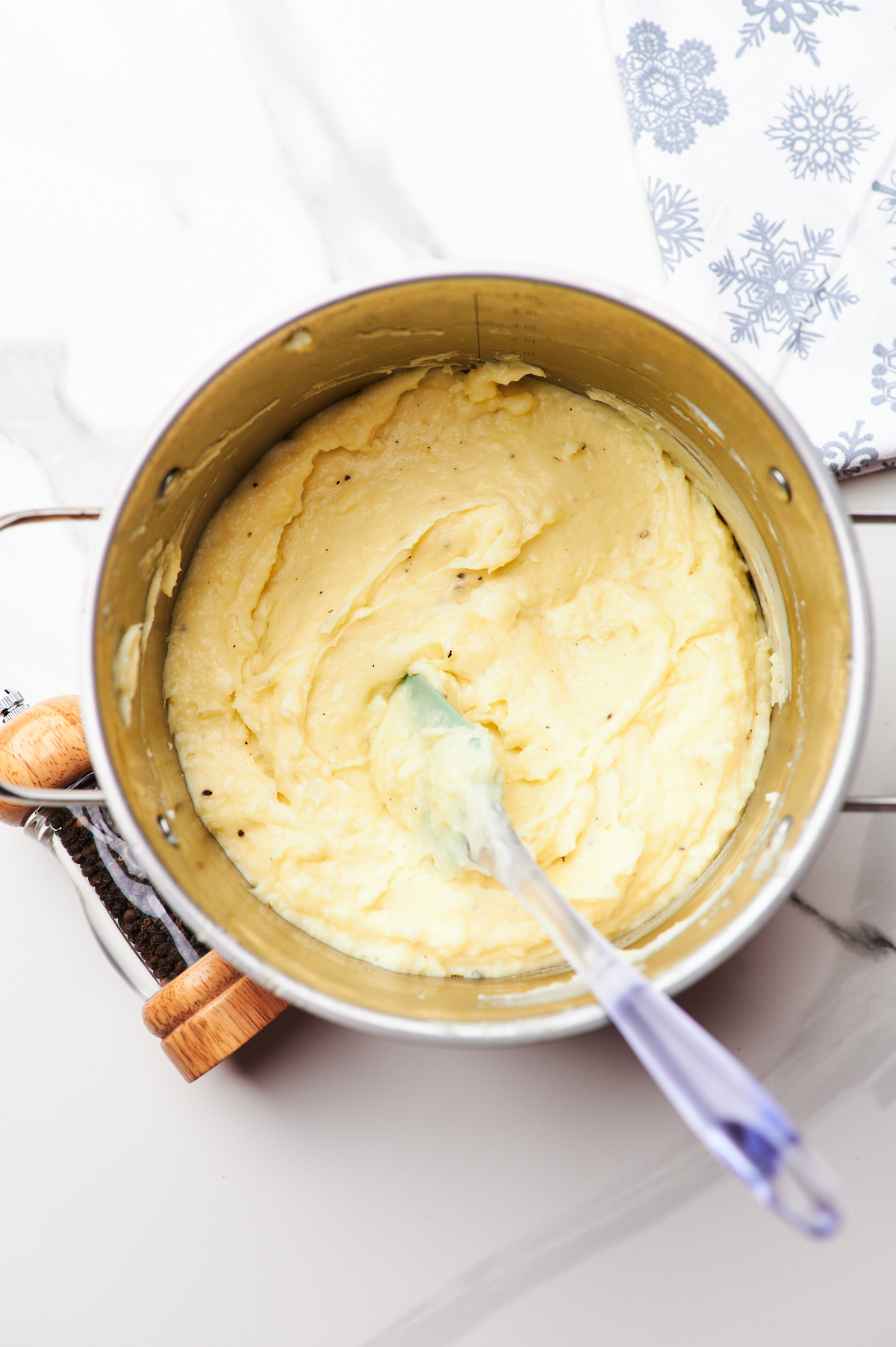
- Season. Taste and adjust the seasoning with fine salt, white pepper and nutmeg.
Tips for Perfect Mashed Potatoes
- Add the milk a little at a time: Adding a small amount at a time prevents you from adding too much at once, which would make the potatoes runny, and makes it simple to incorporate into the potatoes without additional mixing.
- Don't let the potatoes cool before mashing: For simple and efficient mashing, you should begin as soon as you boil and drain them.
- Don't overwork the potatoes: Potatoes should always be mashed by hand using a potato masher or potato ricer rather than in a stand mixer or food processor for the greatest light and fluffy texture because overmixing them can make them gummy.
- Always use warm milk: If you take milk right out of the refrigerator, it will cool down and the hot potatoes won't absorb the cold liquid as well.
- Add salt to the water: Adding salt to the water seasons the potatoes from the inside as their starch cooks, making them more flavorful and creamy.
- After draining: Return the potatoes to the hot pot and let them rest there for a minute, shaking them a little. This will allow the potatoes to dry out a little, making them less soggy and more flavorful.
Variations
- Sour cream or crème fraîche: For additional taste and tang, feel free to mash or stir in ¼-½ cup of sour cream or crème fraîche to finish these mashed potatoes.
- Cheese: You can also add some cheese; gouda, cheddar, or parmesan are all excellent choices.
- Garlic: For extra taste, peel a few cloves of garlic and boil them alongside the potatoes.
- Herbs: This recipe works well with chives; either add them with the butter or use them as a garnish.
How to Store and Reheat
You can store mashed potato leftovers in the fridge for up to three days in an airtight container. You may reheat mashed potatoes in the oven, microwave, or hot water bath; just be sure to cover them to keep the moisture in and toss in additional milk or melted butter to soften them up before serving.
You can freeze and reheat leftovers with a little milk in the oven. Freeze for up to a month; reheat covered in a 350°F oven, stirring halfway through, after thawing overnight in the refrigerator.
If you melt the butter before stirring it into the potatoes, the fat and milk solids will separate.
FAQs
Due to their high starch content, russet potatoes are the ideal potatoes to utilize for mashed potatoes. Another excellent choice is Yukon gold potatoes, which have a somewhat buttery texture rather than a starchy one.
Let the mashed potatoes cool completely after following the directions. When cool, refrigerate in an airtight container until you're ready to use them. Place them in a casserole pan that you oiled, sprinkle with butter if desired, cover, and bake at 325°F for 35 to 40 minutes, or until heated through.
You can freeze mashed potatoes for up to a month if you properly wrap them in an airtight bag or container.
Avoiding overcooking is essential because it produces too much free starch, which causes the mash to gelatinize and become gluey. Use a potato ricer or hand masher; a food processor, stand mixer, or hand mixer can break down the potatoes' starches and give them a gummy feel.
For perfectly lump-free mashed potatoes, a potato ricer is ideal. If you have one, please use it; run the potatoes through it hot, then stir in the additional ingredients to achieve the smoothest texture without overworking the potatoes.
After reheating, mix in an additional splash of milk to loosen the potatoes if they appear dry.
More Easy Side Dishes
- Super Creamy Instant Pot Garlic Mashed Potatoes
- Easy 3-ingredient Potato Soup
- The BEST Baked Chicken Breast (Juicy!)
- Pan-Seared Chicken Breast
- Crock Pot Mac and Cheese
Recipe
The Best Mashed Potato Recipe
INGREDIENTS
- 1 kg (2.2 pounds) floury potatoes, such as russets
- 2 bay leaves
- Coarse salt, for the cooking water
- 150 g (10½ tablespoons) butter
- 200 g (¾ cup plus 1 tablespoon) whole milk
- Fine salt, to taste
- White pepper, to taste
- Freshly grated nutmeg, to taste
INSTRUCTIONS
- Wash and peel the potatoes, then cut them into chunks of about 5 cm (2 inches).
- Put the potatoes and the bay leaves in a large pot and cover them generously with cold water salted with coarse salt.
- Bring to a gentle boil and let the potatoes simmer until they are completely cooked through.
- Cut the butter into 1 cm (½-inch) cubes.
- Keep the butter cubes in the fridge until you need them.
- Warm the milk, but don't let it boil.
- Drain the potatoes and take out the bay leaves.
- Press the hot potatoes through a potato ricer back into the pot.
- Set the pot over low heat and add the cold butter, stirring vigorously.
- Pour in the warm milk a little at a time until the mash reaches the consistency you like.
- Taste and adjust the seasoning with fine salt, white pepper and nutmeg.



Comments
No Comments